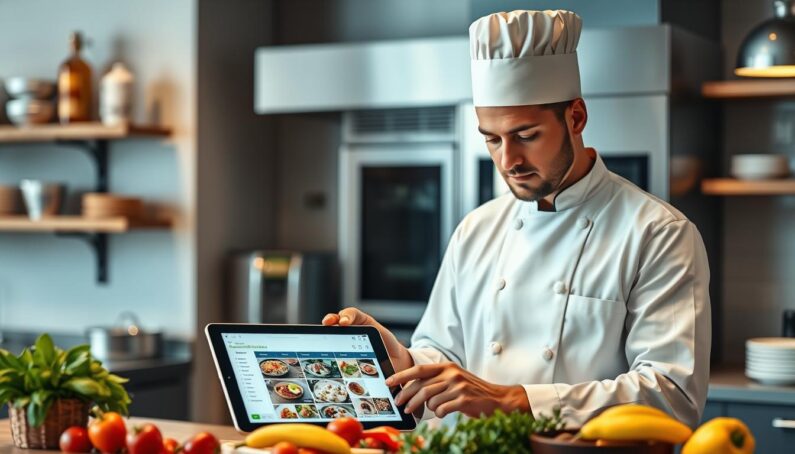
Imagine it’s Saturday morning, and your phone is blowing up. You’re juggling calls about menus and ingredient swaps. You miss a call from a new client. They leave a voicemail, and you call back, but they’re busy. It’s like a Seinfeld episode.
This is the old way of doing things. It’s chaotic and reactive. But what if you had a digital maître d’ in your kitchen?
Chef booking platforms are more than just online calendars. They are 24/7 storefronts that help you manage clients. They turn missed calls into booked appointments.
Switching to a digital system isn’t just about being convenient. It’s about becoming more professional. Using a chef booking platform changes everything.
So, how do these tools help attract new clients? Let’s take a closer look.
Benefits for Personal Chefs
Why should a culinary artist care about a booking website? It solves the four biggest headaches in running a solo food business. Let’s dive into the details. The magic of an online chef booking system is more than just getting clients. It’s about getting your life back.
First, think about your availability. Your talent isn’t limited to 9-to-5 hours. Inspiration and client cravings can strike at any time. An online platform acts as your 24/7 digital maître d’. It secures bookings while you’re asleep or busy in the kitchen.
Second, let’s talk about the economics of attention. Every minute spent on phone calls is a minute lost from creative work. Automated booking saves that time. It handles the tedious “when can you?” questions, letting you focus on “what will you make?”
Third, we tackle the issue of last-minute cancellations and no-shows. Automated confirmation and reminder emails are effective. They reduce flakiness, saving your revenue. Your time is booked, and it stays booked.
Lastly, the elegant upsell. A smart platform turns the booking process into a curated experience. It offers add-ons like premium wine pairings or artisanal cheese courses. This enhances the client’s experience and boosts your earnings, all without you asking.
Here’s a clear breakdown of how the old method stacks up against the platform-powered approach:
| Operational Area | The Old Way (Manual) | The Platform Way (Automated) | Key Benefit |
|---|---|---|---|
| Availability | Limited to your phone’s battery life and waking hours. Missed opportunities. | 24/7 booking engine. Captures clients anytime, anywhere. | Always Open for Business |
| Admin Time | Hours spent on calls, texts, and emails for scheduling. | Zero time spent on scheduling logistics. All details captured online. | Reclaimed Creative Time |
| Cancellations & No-Shows | High risk. Relies on memory and gentleman’s agreements. | Automated reminders and clear policies drastically reduce incidents. | Revenue Protection |
| Upselling | Awkward conversation during the event or not at all. | Seamless, visual add-ons presented during the booking flow. | Increased Average Order Value |
In essence, adopting an online chef booking system is less about getting a website and more about hiring a ruthlessly efficient, unpaid operations manager. It handles the grunt work so you can focus on the genius work. The question isn’t if you can afford the platform. It’s if you can afford to keep answering the phone.
Creating a Standout Profile
Your profile on a chef gig website is like the amuse-bouche of your professional identity. It’s small, yet powerful, setting the stage for what’s to come. It’s not just filling out a form; it’s about curating an experience. On these websites, you’re not just a chef; you’re a curator of taste, atmosphere, and memories.
Your profile is like your digital dining room. Before anyone sees your food, they experience the ambiance. Use every tool the platform offers to build a branded booking portal. Choose colors and fonts that show your culinary style. Is it rustic farmhouse or sleek modernist? Let your design speak for you.
The bio is where you tell your story. Forget the resume talk. People book chefs because of their stories, like foraging for morels with their grandfather. Your bio should be like the start of a food memoir. Share why you cook and what inspires your dishes.
The portfolio is your visual story. It should show more than just finished dishes. Include shots of market hauls, your hands shaping dough, and the chaos of the kitchen. Show the joyful mess of creation. This approach builds trust and shows you’re an artist, not just a chef.
To go from theory to practice, let’s look at what makes a profile stand out. What turns a forgettable listing into an irresistible brand?
| Element | Profile Pitfalls (The Scroll-Past) | Profile Power Moves (The Book-Me) |
|---|---|---|
| Design Aesthetic | Default platform template; generic and impersonal. | Custom colors/fonts that evoke a specific mood (e.g., earthy tones for farm-to-table). |
| Bio Narrative | Dry list of skills and certifications; reads like a CV. | A personal story that reveals culinary philosophy; mixes passion with professional insight. |
| Portfolio Content | Only perfectly styled final plated shots, often repetitive. | A dynamic mix: ingredients, action shots, candid moments, and finished dishes telling a story. |
| Overall Vibe | Feels transactional and anonymous. | Feels immersive and personal; makes you bookmarkable on gig websites for chefs. |
This table is more than a checklist. It’s a guide for emotional engagement. The “Book-Me” column aims to connect on a sensory and intellectual level. It answers the client’s question: “What will it feel like to work with you?”
A standout profile does more than list services. It attracts your ideal client. Whether you’re rustic farmhouse or sleek modernist, you’re not for everyone. You’re for the right people. This clarity attracts better bookings and pleases the algorithm on gig websites for chefs.
In the end, your profile is a promise. It promises an experience, a point of view, and a standard of care. Make that promise irresistible.
Pricing Strategies
Pricing is more than just covering costs. It’s a game of perception. A good meal can be spoiled by a confusing bill. Your pricing on chef booking platforms is like a silent sommelier. It can either make the experience better or leave a bad taste.
Start by structuring your offerings like a tasting menu. Do you charge a flat fee for the evening, a per-head charge, or a premium “experience package”? The right platform helps you present these options clearly. It turns a simple transaction into a special choice.
Then, consider security. Requiring a deposit is professional, not rude. Using a platform’s secure payment gateway helps filter out serious food lovers from dreamers. It protects your time, ingredients, and profits. Think of it as a fee for your culinary talent.
For the advanced play, try dynamic pricing. Why should a random Tuesday in February cost the same as a busy Saturday during the holidays? It shouldn’t. Modern chef booking platforms let you adjust prices for peak demand. This is like surge pricing for your skills. It’s basic economics applied to your art.
Also, use discounts wisely, not out of desperation. Offer a “first bite” discount for new clients and a “repeater reserve” reward for loyal ones. The platform can automate this. It makes you seem generous and smart, not desperate. For more on pricing strategies, check out these common pricing strategies.
In short, these platforms offer tools for advanced financial storytelling. They help you communicate value, manage risks, and increase revenue. It’s like playing culinary chess. And your pricing strategy is your queen.
Managing Bookings Professionally
Think of your online chef booking system as the heart of your kitchen. It’s where you go from being a great cook to a top-notch chef. This platform is more than a calendar; it’s your command center.
Being organized is key. It makes clients trust you more. They see you as a pro from the start.
First, link your booking system to your Google or Outlook calendar. This stops you from booking the same time for two events. It’s like having a perfect maître d’ who never forgets a reservation.
Your schedule becomes the truth. No more checking multiple places for bookings. This saves you from feeling overwhelmed.
Then, use an automated reminder system. It sends texts or emails 48 hours before an event. This cuts down on no-shows. It’s a polite reminder that respects everyone’s time.
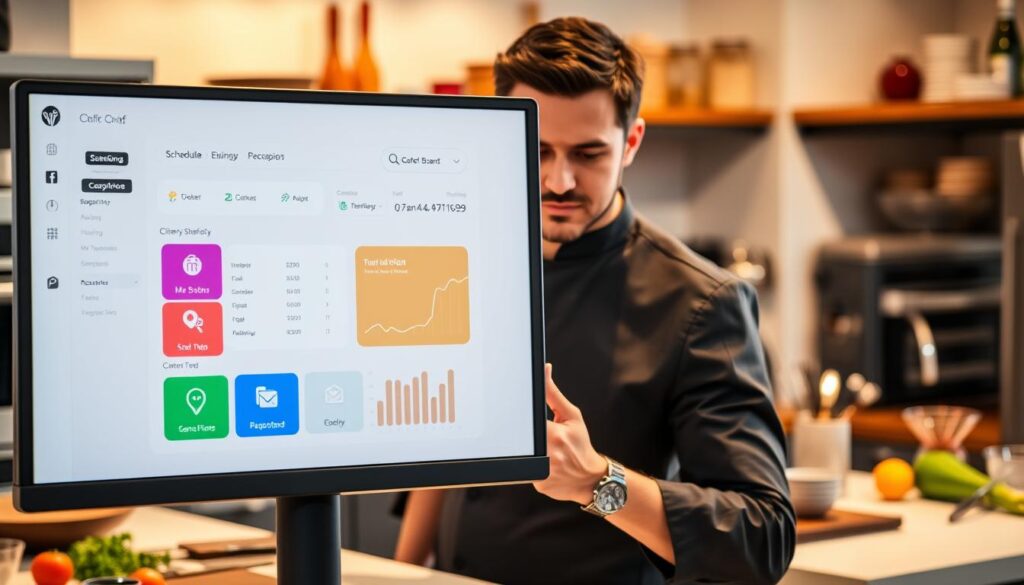
When clients get these reminders, they see you in a new light. They think of you as a reliable, organized chef. This shows you value their time as much as your own.
Also, a good online chef booking platform lets you manage everything from your phone. You can change menus or check bookings anytime. This makes you seem in control all the time.
So, using an online booking system is the foundation of your success. It makes your kitchen run smoothly. You can focus on making amazing food while the system handles the rest.
Gathering Feedback
Think of a review on a gig website for chefs as a chance to share your best moments. The real work starts after the last plate is cleared. This is when you build a lasting relationship with your clients.
Booking platforms make it easy to follow up. Send a friendly email a day or two after the event. It’s not spam; it’s a chance to start a conversation.
But don’t just ask for generic feedback. You want stories that paint a picture. A comment like, “Chef transformed our drab conference room into a Napa Valley tasting room” is powerful. It lets others imagine themselves in that moment.
Public ratings are important. A high average rating shows you’re reliable. It’s like having a friend vouch for you in a new place.
This feedback loop is like your own R&D department. It helps you understand what your clients love. If many people rave about your deconstructed key lime pie, you know you’ve got a hit. If there are consistent comments about the pacing, you can improve.
It takes a strong mind to handle feedback. It’s not about being proud; it’s about getting better. The insights from real clients show you what they want, even if they don’t know it yet.
The platform turns this feedback into clear signals. Happy customers become your unpaid sales team. Their words are your best marketing. Learning from feedback on gig websites for chefs is key to growing.
Case Studies
Analytics dashboards aren’t just pretty graphs. For chefs using chef booking platforms, they’re crystal balls revealing untapped niches and client behaviors. Let’s move from theory to the tactical playbook, examining two hypothetical chefs who didn’t just list their services—they weaponized their platform’s tools.

First, meet Elena. A private chef with a passion for Italian cuisine, she was doing well. But “well” is the enemy of “exceptional.” Curious, she dove into her platform’s analytics dashboard—a feature many ignore like a terms-of-service agreement.
The data told a story her intuition missed: 70% of her bookings were for intimate, plant-based dinner parties. She was an Italian chef, but her clients were secretly craving Italian Vegan. This wasn’t a fluke; it was a market signal.
Elena pivoted. She created a dedicated “Italian Vegan Supper Club” package on her profile. Then, using the platform’s social media integration, she targeted this new offer directly to foodie groups on Instagram. The result? Bookings for that specific package increased by 150% in one quarter. She didn’t find a new audience; her audience found her, and she listened.
Now, consider Marcus. His clientele: high-net-worth families seeking personalized culinary experiences. His problem: the dreaded last-minute cancellation, which isn’t just an inconvenience—it’s a hole in the week’s revenue.
Marcus’s strategy was less about discovery, more about commitment. He implemented a strict 50% deposit requirement, enforced through the platform’s secure payment system. Overnight, last-minute cancellations dropped to zero. The financial commitment filtered for serious clients.
He then automated the process. Using the platform’s reminder system, he automatically requested detailed dietary preferences a week in advance. This gave him time to design hyper-personalized menus that consistently wowed clients. The outcome? Effusive, five-star reviews that now dominate his profile, creating a virtuous cycle of social proof and higher-value bookings.
These aren’t miracles; they’re the logical outcomes of using chef booking platforms strategically. One chef used data to pivot her offer. The other used systems to elevate his client experience. The table below breaks down their contrasting, yet equally effective, plays.
| Chef Profile | Core Strategy | Key Platform Tool Used | Measurable Outcome |
|---|---|---|---|
| Elena (Italian Specialist) | Data-Driven Niche Identification | Analytics Dashboard & Social Media Integration | 150% increase in bookings for a new targeted package |
| Marcus (High-Net-Worth Chef) | Systematized Client Commitment & Personalization | Secure Deposit Payments & Automated Reminders | 0% last-minute cancellations; surge in premium reviews |
The lesson is clear. Success on these platforms isn’t passive. It’s for the chef who treats their profile like a lab, their tools like levers, and their data like the first draft of their next business plan. Are you just listing, or are you building?
Conclusion
So, what’s the final score in the game of finding clients? The old playbook is gone. It’s been replaced by a digital strategy that’s here to stay.
Using an online chef booking system makes life easier. It turns messy inquiries into smooth, scheduled events. Your phone stops buzzing with calendar questions. Your brain is freed from tracking deposits.
This isn’t about replacing you with an app. It’s about using technology to handle the parts of the job that drain your creative energy.
Think of it this way. You’re the lead actor in your own culinary show. The online booking platform is your stage manager. It handles the tickets, the seating, and the lights.
This setup lets you focus entirely on your performance. You can focus on the menu, the ingredients, and the moment you plate the dish. The human touch isn’t lost. It’s amplified because you’re now fully present.
In a market that values both convenience and craft, an online chef booking presence is your professional signature. It shows you’re serious, organized, and ready to deliver an experience. The tools exist. The stage is set. Your next act begins with a single, digital step forward.